🇨🇿 Prague — A Rewind to One of Our Most Meaningful Adventures
- swedeshouse
- May 17
- 5 min read
Some trips fade with time. This one didn’t.
Pam and I planned our Prague adventure way back in late 2007, early 2008 — part of our now‑traditional winter off‑season getaway that doubles as our anniversary trip. We didn’t know it then, but this would become one of those rare journeys that sticks with you for reasons far beyond sightseeing.
Prague quickly rose to the top of our list and, to this day, remains one of my favorite European cities. They call it the city of a thousand golden spires, and they aren’t kidding. Everywhere you look, another church spire catches the light. The whole place feels like a fairy tale that somehow survived history intact.
The city escaped most of the bombing during World War II, so the buildings — some hundreds of years old — still stand proudly, connected by cobblestone streets that practically force you to slow down and take it all in.
Getting Settled — And Putting Prague’s Transit System to the Test
When we landed, we bought a five‑day transit pass right at the airport. Unlimited subway, bus, and streetcar access for about $35 each. Prague claims you can get within a mile of anywhere in the city using public transportation.
Challenge accepted.
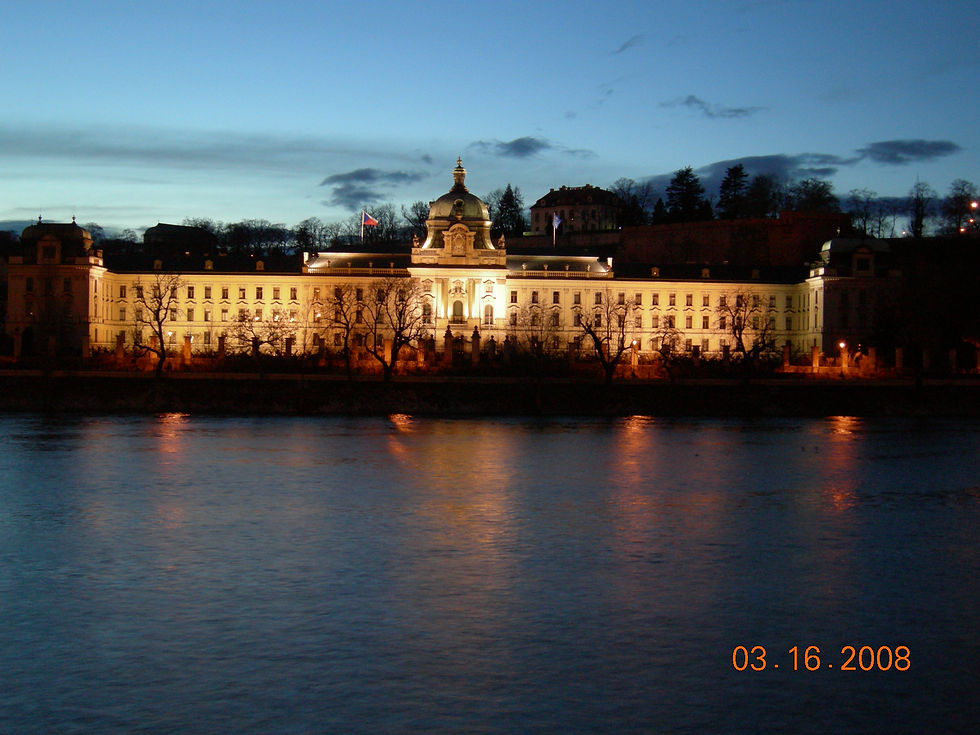
We hopped a FlexBus to the subway, rode that to a station near our hotel — the Corinthia Prague (now the Grand Hotel Prague Towers) — and walked the rest of the way. The hotel overlooks Vyšehrad Castle with an incredible view stretching all the way to the river and downtown.
One of our long‑standing travel strategies is booking hotels with breakfast included. It saves time, saves money, and lets one of us grab coffee while the other pretends to still be asleep. We’ve also perfected the “big breakfast → midday snack → early dinner” routine. It avoids tourist‑packed lunch spots and gives us more time to explore.
Exploring the City — One Tram, One Street, One Beer at a Time
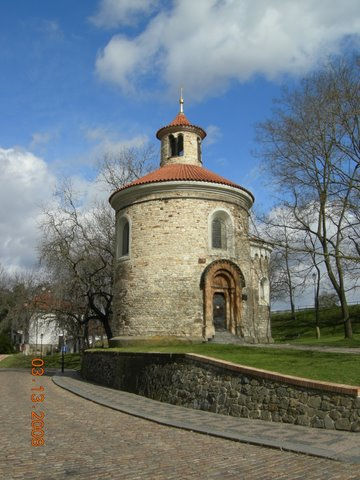
Over the next several days, we absolutely got our money’s worth out of those transit passes. We toured Vyšehrad Castle, the Dancing House, Charles Bridge, and spent hours inside Prague Castle — hopping on and off trams like locals.
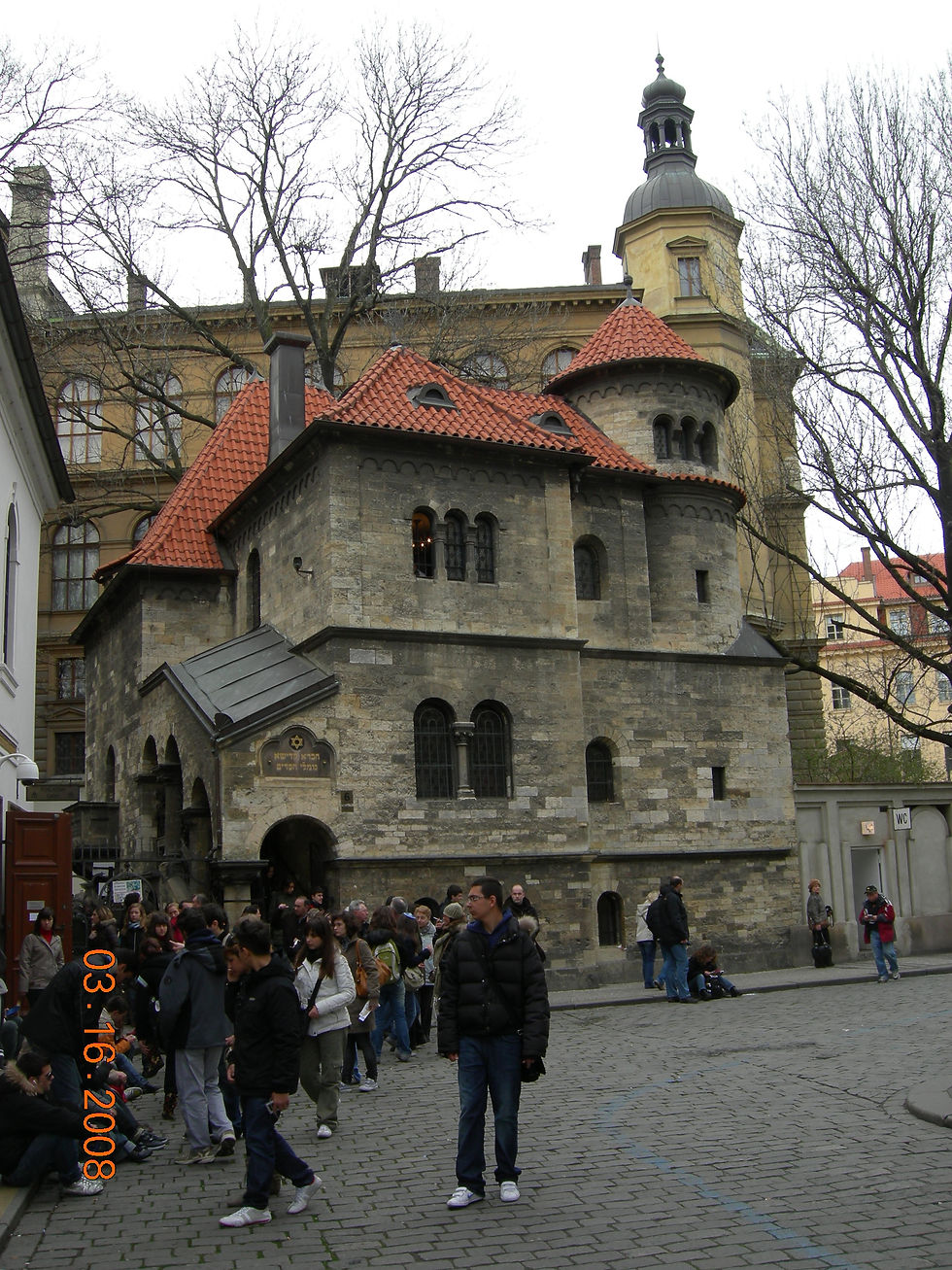
We wandered Old Town Prague (a UNESCO World Heritage site), watched the Astronomical Clock do its thing, and explored markets, cemeteries, memorials, and more shops and pubs than I can count. You get thirsty walking.
One of the most humbling stops was the Memorial to the Victims of Communism. The statues descend a staircase, each one more deteriorated than the last — a haunting representation of what political prisoners endured. The bronze strip lists the staggering numbers:
205,486 arrested
170,938 forced into exile
4,500 died in prison
327 shot trying to escape
248 executed
It’s impossible to stand there and not feel the weight of history.
Pam’s International Dining Trick — And the Czech Beer Rule
This trip is where Pam taught me her international dining trick: Walk two or three blocks away from the tourist areas and look for where the locals eat.
Simple. Brilliant. Effective.
Prague added its own twist: the Czech Crown Beer Rule.
If a beer was under 40 CZK (about $2 at the time), we knew we’d found a good, local, affordable spot. And this wasn’t a 12‑ounce beer — think closer to 20 ounces. A full stein. So yes, we leaned into this system hard.
It led us to some fantastic meals, including the one we still talk about 18 years later: a giant carving board loaded with ribs, salad, and cold beer. After a long day of walking and searching for a tee shirt (more on that in a moment), it hit the spot like nothing else.
The Great Harley‑Davidson Tee Shirt Hunt
This deserves its own chapter.
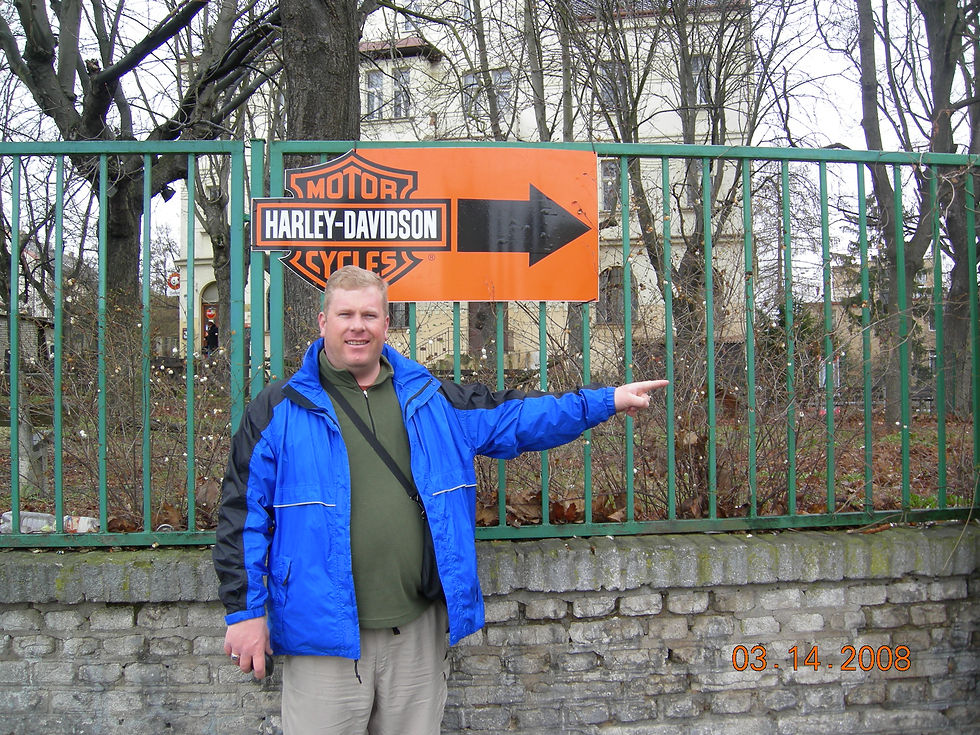
One of my coworkers asked me to bring back a Harley‑Davidson Prague shirt. Sounds simple, right?
Wrong.
This turned into a full‑blown odyssey. We used every form of transportation known to man: subway, streetcar, tram, bus, and good old‑fashioned shoe leather. This was before smartphones, GPS, or Google Maps. All we had was a paper map and stubborn determination.
Hours later — tired, hungry, and questioning our life choices — we finally found the Harley shop. Not in the tourist district. Not easy to reach. But we got there.
We bought shirts. We bought a hat. We bought the satisfaction of knowing we’d earned them.
The Part of the Trip That Changed Me
Now we get to the part of the story that wasn’t planned — the part that still sits with me.
Four years before this trip, I was a newly minted detective in the Robbery‑Homicide squad. In January 2004, I was called to what was described as a “possible found body.” When I arrived at the Jordan River in Salt Lake County, I saw a body floating face‑down in the water.
The next day’s autopsy confirmed it was murder.
That case took me to Elko, Nevada, and into Idaho. It lasted more than ten years through court proceedings. Eventually, we arrested a husband and wife who had employed the victim. They’d taken out a life insurance policy on him and had been stealing his money while he was incarcerated. Both ended up in prison. Years later, after appeals, the wife received a new trial and was convicted only of manslaughter — time served. Karma caught up with her when her new husband murdered her in Winnemucca, Nevada.
During the investigation, I learned the victim had emigrated from Czechoslovakia around 1969. Through the Czech consulate, I tracked down his brother and, with the help of the brother’s English‑speaking daughter‑in‑law, communicated with the family. I connected them with a local attorney who helped them claim the life insurance money so the suspects couldn’t.
When Pam and I planned our trip to Prague, I emailed the family on a long shot — not knowing how close they lived or whether they’d want to meet.
They did.
One evening, in our hotel lobby, we met the victim’s brother, his wife, their son, and the daughter‑in‑law who had helped me communicate years earlier. We didn’t all speak the same language, but emotion doesn’t need translation.
I handed over a few small items that had belonged to the victim and shared what I’d learned about his life in the United States. The two brothers had only exchanged letters and a handful of phone calls in the 30+ years since he’d emigrated.
It was one of the most powerful moments of my career — and of my life.
People often ask how I handled investigating murders, death, and violent crime. This is the answer.
Being able to bring justice, to hold people accountable, and to give families answers — even small ones — is an honor. Meeting that family reminded me of the why behind the work.










Comments